The United Kingdom

Updated: Oct 10
Rashna and I visited Scotland in 2018, leaving us curious about the rest of the United Kingdom. We booked a trip with a company called Nordic Visitor that specializes in building self-led driving tours in Europe. Nordic Visitor books accommodations, creates a loose itinerary (including a giant, highlighted road map), and arranges the car rental and other optional extras. They also provide 24/7 support if anything goes wrong. We did a driving tour of Ireland in 2016, so we had some experience with this sort of trip. This trip was more twice as long as that one and took us to England, Scotland, and Wales. This is Nordic Visitor's link to the basic trip we did. We added several days in London at the end.

Day-by-day
Day 1: Arrival and Oxford
Heavy thunderstorms on the East Coast of the U.S. meant our trip did not start out smoothly. Our flight out of Albany airport was changed due to bad weather and would have resulted in us missing a day of our trip. We decided to rebook on a flight to London leaving from JFK airport. After driving three hours and arranging parking, we miraculously found ourselves on a flight to Heathrow. We only had to wait three more hours on the tarmac before takeoff! We arrived in London exhausted but happy to have navigated our first challenge. We made our way (slowly, carefully) to Oxford in our rental car and enjoyed a few hours of sightseeing before and after dinner.
Oxford is a beautiful city full of wonderful architecture and bursting with ancient academic heritage. School was out for the summer (and the world cup final was showing in the pubs!) so we experienced a very quiet, contemplative evening wandering the mostly empty streets and alleyways around the various colleges that make up Oxford University. The golden hour sunlight seemed to last forever and painted the stone buildings with magical color. This was one of Rashna's favorite stops of the trip.
Day 2: Driving to York
Our hotel in Oxford had a bike path with no less than seven boathouses within a quarter mile. I did a short run on a path that took me past racing shells practicing on the canal. We noticed that narrow houseboats were present in any UK town or city with a river or canal. These quirky dwellings ranged widely in appearance from broken-down and full of junk to tastefully decorated with flowers.

After breakfast at the hotel, we set out for York. We made a midday stop at the town of Matlock Bath, once called "Little Switzerland" by Lord Byron. We took our first bus trip, wandered past numerous ice cream shops, and had a great snack at the Fig Coffee House.
I was starting to get the hang of driving on the left side and was feeling more confident as we arrived in York. The drive to our parking spot included an impossibly narrow street that I inched down at about 2 miles per hour. Our accommodation was the first of many guest houses, mostly converted old homes. This one was a short walk away from downtown and in a quaint neighborhood full of cobbled lanes and beautiful tiny gardens. We set out for downtown and had time for another golden hour walk before dinner.
Day 3: York
York also had a river path that Rashna and I both ran on in the morning. Again, numerous boat clubs lined the river and skullers were finishing their morning workouts as we ran by.

Rashna discovered a free tour in York and this was the first of several we did in cities we visited. The tour guides were excellent (Alan in this case) and worked for an optional tip at the end. Alan gave us a helpful overview of this ancient, walled city with Roman roots. Some highlights included the York Minster cathedral and the ruins of the St. Mary's Abbey. Rashna and I also walked along the top of much of the wall that encloses the city. The wall is medieval in construction, but was built upon an earlier Roman fortification.
York Minster is being perpetually repaired and we were fascinated by the piles of custom cut sandstone blocks and gargoyles piled near the renovation site, quarried from the same area as the originals. Aside from the historical sites, York is a lively town with plentiful pubs and restaurants. I tried my first cask beer and we walked through the Shambles, an extremely narrow street said to have inspired Harry Potter's Diagon Alley. We saw a street performance of Sven From Sweden and had lunch at an innovative startup incubator called SPARK York. At dinner, we noticed many celebrating families which we learned were due to recent university graduations.
Day 4: Driving to Scotland
Our drive from York to Edinburgh was one of the longest of our trip, but since Rashna and I had both already visited Edinburgh before, we were in no rush to get there early. We made an early stop in the town of Thirsk to visit the James Herriot museum. I loved reading James Herriot's books as a young man and it was a thrill to see where he lived and worked (note that his real name was Alf Wight and his books were based in a fictional town called Darrowby based on Thirsk). Thirsk's local knitters were also celebrating an anniversary of some kind and had covered a surprising number of surfaces in the town with their handiwork. The town was bustling with what appeared to be English tourists enjoying some time in the country.
Back on the road, the scenery became distinctly Scottish as A1 skirted the North Sea. We made a quick stop at Berwick-upon-Tweed where the River Tweed flows into the ocean. This was a quaint spot, but we had to hustle on in order to get to Edinburgh in time for dinner.
Our guest house in Edinburgh was a Georgian townhouse complete with a library and sitting room. We had dinner at Hendersons, a vegetarian institution that my mom remembers visiting when she traveled to Edinburgh decades ago. I was daring and tried the vegetarian haggis which turned out to be delicious.
Day 5: Edinburgh
We both did some running in the morning using local paths that run along the Water of Leith. We decided to try another free tour starting on the Royal Mile. Glen led us around his home city and we explored the area around Edinburgh Castle with lots of trips through the narrow passageways that branch off the Royal Mile. We ended the tour in Greyfriars Kirkyard (cemetery) and had lunch at Let Me Eat Too. Rejuvenated, we had a great visit to the National Galleries. This excellent art museum is free and has an incredible collection of works from both Scottish artists and other masters from around the world.
We were starting to recover from our jetlag at this point, but Rashna still benefited from a nap in Princes Street Gardens while I listened to a free performance at the Ross Bandstand. On our way out of the park, we were gifted two tickets to a hop-on-hop-off bus tour by a stranger. We used these to take another circuit of the city before dinner (vegan Italian food at Sora Diana). We finished a very full day with a walk up Calton Hill for some twilight views near the National Monument of Scotland.
Day 6: Driving to the Lake District
We pointed our car back towards England and enjoyed some truly lovely landscapes in the Scottish Borderlands with lofty hills, windy narrow roads, and plentiful sheep. We had a very pleasant snack at an improbable café situated near St. Mary's Loch (delicious scones and a well-outfitted music corner!).
We stopped for a 3 mile hike past the Grey Mare's Tail waterfall and up to Loch Skeen. The views were remarkable and this was a perfect way to break up the drive.
After our hike, we navigated some of the narrowest country roads of the trip on our way to the Rum Doodle guest house in between the towns of Windermere and Bowness. We walked into Bowness for some Thai food and a look at Lake Windermere, the largest lake in England.
Day 7: Windermere
This was the dampest day of our trip, but we both got a long run in before it started raining. We ducked in and out of shops in both Windermere and Bowness and wrote some post cards to folks back home. We handed these to a postal worker as he was emptying one of the iconic British post boxes with a set of honest to goodness old timey keys. The Lake District feels like it has an established culture around hiking and mountaineering. There's even a list of peaks that people work on called the Wainwrights. These 214 fells are scattered throughout the Lake District.
After a grocery store lunch in our room, we headed to Bowness for a lake cruise to Ambleside. We disembarked near the ruin of a Roman fort and made our way into town, where the final miles of the Lakeland 100 ultra running race was finishing. The course went directly through town and crowds of supporters were encouraging the athletes. We had one of the best dinners of our trip at Fillinis (also a cinema!) and took a bus back to the Rum Doodle.
Day 8: Driving to Wales
After some more morning running, we left the Rum Doodle and drove to Birkenhead, a municipality across the River Mersey from Liverpool. We secured free parking near a shopping mall and took the train into the James Street Station in Liverpool. There was a strong wind as we walked the docks and saw a few of the major sights near the water.
As a Beatles fan since I was a kid, I really wanted to see the place where the band got its start. After lunch at the Albert Dock, we headed to the Beatles Story Museum. Although there are several Beatles exhibitions in Liverpool, this one takes visitors chronologically through the band's rise featuring a mix of mock up sets of important places together with real memorabilia. Some of my favorite items were recording session plans and handwritten musical arrangements. We were both struck by how wild the Beatles story is. None of the lads had much in terms of education and both John and Paul had lost their mothers at a young age. They all grew up in the wreckage of Liverpool, which had been heavily bombed during World War II.
Our next stop was Wales, and we soon noticed that road signs were written in both English and Welsh. Our home for the night was Lladudno, which we both had trouble pronouncing (turns out the English also have trouble saying the Welsh name). Lladudno is on a peninsula jutting into the Irish Sea so it has both an east and west beach. A lengthy pier lined with shops and amusements stretches out into the ocean. We had a bit of a wait before dinner and took a walk to the quieter, west coast. We chatted with an Irishman who swore that Rashna's accent had an Irish lilt to it. After a twilight stroll on the boardwalk, we turned in for the night.
Day 9: Back to England
Lladudno abuts a large height of land called the Great Orme that has a network of trails. We decided to hike to the top before driving to our next destination. The hike had expansive views of the ocean and the surrounding mountains. Also, hundreds of sheep and an ancient copper mine.
This day's drive proved to be the most challenging of the trip. Even though it was a Monday, the summer traffic was heavy and the roads were small with many roundabouts. We had planned to stop for lunch at the town of Ludlow but settled for a picnic spot off the main road instead. Not long after this, we got a flat tire and pulled into a driveway while we awaited a tow. I had a nice conversation with the couple who owned the home and learned that the houses in the area dated back to the 1400's and were almost certainly haunted! I made friends with their dog and Tom the tow truck driver arrived after about two hours in a monster of a truck. He skillfully navigated the tiny roads and took us the rest of the way to Bath. He dropped our car off at a Kwik Fit so we could get the tire fixed in the morning.
We didn't get to see as much of Bath as we liked due to our late arrival, but from our twilight walk to dinner, it seemed like a beautiful place worth returning to.
Day 10: Stonehenge and arrival in London
Getting our tire fixed in the morning was a bit of a hassle, but I was surprised at how quickly we were back on the road. Our last stop before London was Stonehenge. This amazing site turned out to be a highlight of the trip for me. The comprehensive exhibition did a great job explaining the 5000+ years of history at the site.

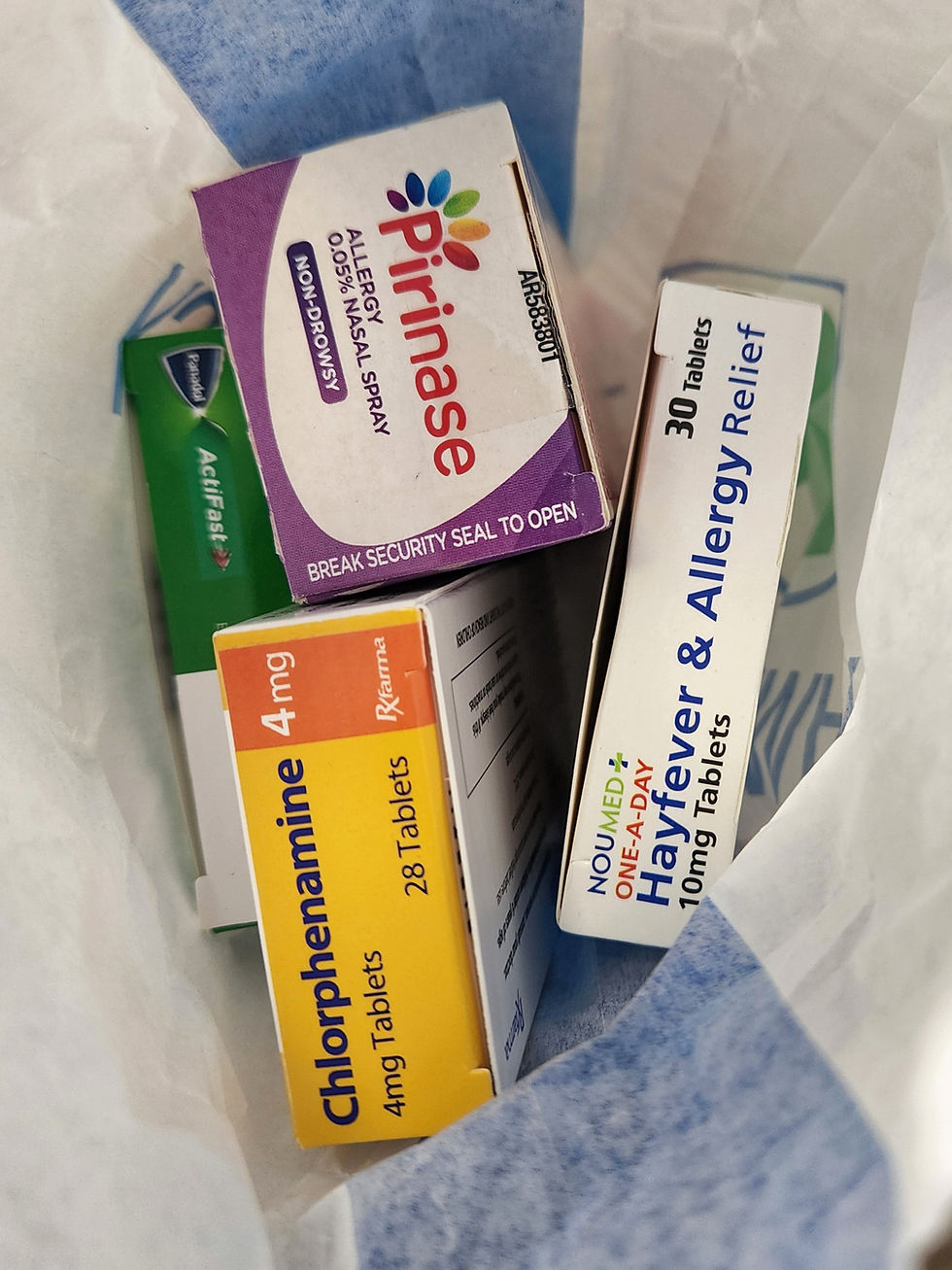
We hit minimal traffic on the way back to the car rental spot, despite its proximity to Heathrow. I had come down with a head cold, so Rashna went on an excursion to a pharmacy while we waited for the car that was going to take us into downtown London.
In retrospect, it was a bit silly to hire a car for this purpose since London traffic is completely insane and driving into town took about an hour and a half. But I was tired out from my cold and it was great to have someone else handle the transportation logistics. Also, we had a great conversation with our driver, Assif. He lives in London and gave a us a nice sense of the city before we even arrived.
We arrived with plenty of time for a nice meal in our neighborhood (Indian food) and we reveled in the prospect of staying in our (large! air-conditioned!) room for four whole nights in a row.
Day 11 - 13: Exploring London
Three days is not much time to explore London—we each had a few things we wanted to do and we did the best we could. I will say that the city overall was far more busy than I expected. Shopping streets, museums, and touristy areas (especially Westminster) were almost intolerably crowded. But it was warm and the sun was shining for most of our time in London, meaning the locals were smiling!
Our first stop was the Churchill War Rooms, part of the Imperial War Museum. This exhibit includes the underground cabinet war rooms preserved almost exactly as the were left at the end of World War II. As a history buff and a lover of films like Dunkirk and Darkest Hour, I found this maze of dimly-lit rooms to be thrilling. There was also a gigantic exhibit on Winston Churchill which was probably too much for just one visit. The photos below include instructions on how to escape in case of catastrophic bombing, a clerk's to-do list on D-day, an explanation of the various air raid alarms, a sign (changed daily) to indicate the weather on the streets above, and a job offer letter for a typist.
Rashna found yet another free tour and tour guide Andrew Prince (!) took us on a two hour walk around Westminster. This was the perfect exposure to this storied area. It was extremely hot and crowded, so we probably couldn't have taken much more. But we got to see sites like Trafalgar Square, Buckingham Palace, Big Ben, St. James's Park, and St. James's Palace. Andrew turned out to be a very good magician as well and he did a few tricks for us when we needed a break. We rounded out our day with a trip to Hamleys Toy Store, Regent St., and a posh dinner at Tendril.
The next day, Rashna and I split up so she could explore a monster climbing gym she found. The gym had been converted from a Victorian era pumping station and featured over 40 auto-belays and routes that spanned multiple floors (and even climbed into a tower!).

I explored St. Paul's Cathedral and got some excellent views of the city from the stone balcony. The crypt was also fascinating and included the tombs of Admiral Nelson, Christopher Wren (the designer of the cathedral), and Florence Nightingale. I then walked to St. Dunstan in the East, a church that was mostly destroyed during the Blitz and is now a park.
In the evening, we reunited to explore Spitalfields Markets and marvel at the stupendous number of people having Thursday after-work drinks at pubs, most of them forming large crowds outside. Londoners really know how to enjoy the nice weather! We had a pint ourselves at The Astronomer near where we had dinner at the Holy Carrot.
On our final full day in London, we both did long runs in the morning. I opted for laps around Regent's Park while Rashna stuck to the canal path she had been using (Regent's Canal Towpath). Afterwards, we took a river tour that started near the Tower of London and took us back towards Westminster. From there, we walked around the (very busy) Covent Garden shopping area and even took a short trip to the British Museum (even busier). Our last dinner was at a great place called nécco on Exmouth Market St. not far from our hotel.
Our ride back to the airport the next morning was once again with our friend Assif! We had a very uneventful and easy trip back to the US.
Driving in the UK
Our first few miles of driving our stick-shift rental car in London traffic had me seriously second-guessing our choice to do a driving-heavy trip in the UK. But I grew to enjoy it (as I remember enjoying it in Scotland and Ireland in the past). I quickly adapted to driving on the left. We definitely enjoyed the freedom to make random stops on the days that we were traveling and Nordic Visitor's accommodations made parking fairly easy. Driving up A1 on the way to Edinburgh was actually a trip highlight for me. "Service" stops were relatively easy to find and had clean bathrooms. Not surprisingly, gas (petrol) was expensive—about $100 to fill our tank.
British authorities take speeding very seriously. The standard speed in densely populated areas is 20 miles per hour. There are speed cameras everywhere, including ones that measure average speed between locations. There are also variable speed zones on motorways. Our rental car was set up to aggressively police my speed based on it's data from Google Maps and was frequently dinging at me. We left this feature on since it was quite easy to accidentally speed as we are used to going a bit faster in the US in most situations.
There are almost no stop signs in the UK. Instead, there is a sort of implied yielding that happens at intersections that don't have roundabouts. I greatly prefer roundabouts to stoplights, although we found that a surprising number of larger roundabouts were controlled by stoplights. When there were lights, I liked how the yellow light came on (in addition to the red) when a light was about to change from red to green. Lanes are smaller and some roads are impossibly narrow with pullover passing areas allowing two-directional travel.
Our car, a Nissan Qashqai, had some neat tricks up its sleeve, including a full suite of cameras that made parking in tiny spots easier. It also had an e-POWER system, meaning its internal combustion engine constantly regenerates a battery which then powers the electric motors that actually turn the wheels. Ours got about 46 miles to the gallon, meaning we only used about two tanks of gas to drive well over 1,000 miles.
Accommodations
Nordic Visitor did a great job choosing accommodations for us that were in excellent locations, provided filling and delicious breakfasts, and had plenty of charm. When we built our trip, we chose the "budget" tier for accommodations so were very pleased with what we got. Our London hotel was several levels fancier than all of our others with some nice amenities like air conditioning and this was a nice way to finish the trip.
We stayed in hotels our first night (Oxford) and in London. All our other accommodations were guest houses. These older buildings were beautiful and interesting, but often had similar quirks. One of these was very old plumbing (slow drains, quirky toilets). Several of our rooms had tiny instant electric hot water heaters in their tiny showers and these worked surprisingly well.
It was somewhat warm during our trip and several of our rooms were on the third floor. Windows often didn't open very wide and there were never screens. Most rooms provided fans, but these weren't that powerful. Beds were made up with duvets and almost never had a flat sheet, meaning you slept with a much-too-warm duvet or no covering at all. Luckily, it really wasn't that hot. But in our warming climate, it made me think that places like the UK have some easy adaptations they can make beyond air conditioning (more ventilation, better fans/overhead fans, lightweight bedding). I would actually consider bringing my sleeping bag liner if I were to travel in Europe in the summer again. Better that than a heavy duvet.
Food
The UK at one point in history had a reputation for dismal food. Today, it is a culinary utopia, especially for vegans/vegetarians. The Brits take food allergies very seriously (we were asked about them everywhere we ate) and this might be part of the reason there are almost always vegan options (which also happen to be dairy/egg free). Rashna noticed that most cafés had soy milk and there was no upcharge as there often is in the US. It took some effort, but Rashna was able to find us a great place to eat every single night.
Where tipping on restaurant checks was probably once rarer, today it is almost always included in the check as an "optional" 10-13% charge that can theoretically be removed if you ask. Table service was a bit different than in the US—servers often expected you to order soon after being seated and getting the bill could be a hassle. But one wonderful thing was the lack of tipping screens at cafés and take-out places.
At our accommodations, breakfast was almost always a vegetarian "English breakfast" consisting of vegan sausage, baked beans, mushrooms, a roasted tomato, and eggs. Porridge (oatmeal) was usually another option. For a quick snack or lunch in London, there was a Pret A Manger around every corner. These shops had quick sandwiches and wraps (including egg salad and vegan falafel). As it is everywhere in Europe, anywhere even a few people are likely to gather, there will be at least one café.
Running training
Both Rashna and I are training for long-distance running events and we decided to try to keep up with our training plans as best we could. We both actually enjoyed our morning runs. They gave us a chance to feel a bit more like locals and to explore places we wouldn't have gone otherwise. For the long runs, we discovered that most grocery stores carry a GU-like nutrition product from Science in Sport. This was perfect for fueling my runs (although I didn't love the taste). The biggest challenge was keeping our running clothing from getting too stinky. We brought a clothesline and were constantly doing sink washes. It worked, but I'm not sure we could have gone many more days without laundry!
This was a great trip with just the right amount of challenge (and a nice safety net from Nordic Visitor). We learned a lot, ate a ton of good food, and saw many beautiful places. I would love to go back someday.


Comments